
Anúncios
While many people still associate warehouse assistant positions with simple, dead-end jobs, the reality of the job market tells a very different story. The warehouse and inventory sector has become one of the hottest areas within national logistics, driven by the growth of e-commerce, the expansion of distribution centers, and companies’ constant need to keep their stock organized and running without failures. And here’s the most interesting part: despite the high demand, many people still don’t know how to apply correctly, or don’t even realize this could be the ideal opportunity to take their career in a new direction.
If you’ve ever searched “job openings” and come across the term “warehouse assistant” without knowing exactly what it involves, or if you’ve heard of the role but never knew how to land one of these positions, this content was made for you. The warehouse assistant’s job goes far beyond simply stacking boxes on shelves: it involves strategic organization, inventory control, use of management systems, and a dynamic routine that can serve as an entry point into multiple areas within logistics and business administration.
Below, you’ll learn what a warehouse professional actually does, why these positions are among the most sought-after — and at the same time most accessible — in today’s market, what the requirements are to apply, how the daily routine works, what benefits usually come with these jobs, and how to stand out in a hiring process. Keep reading, because this could be exactly the turning point your career has been missing.
What Does a Warehouse Assistant Do?
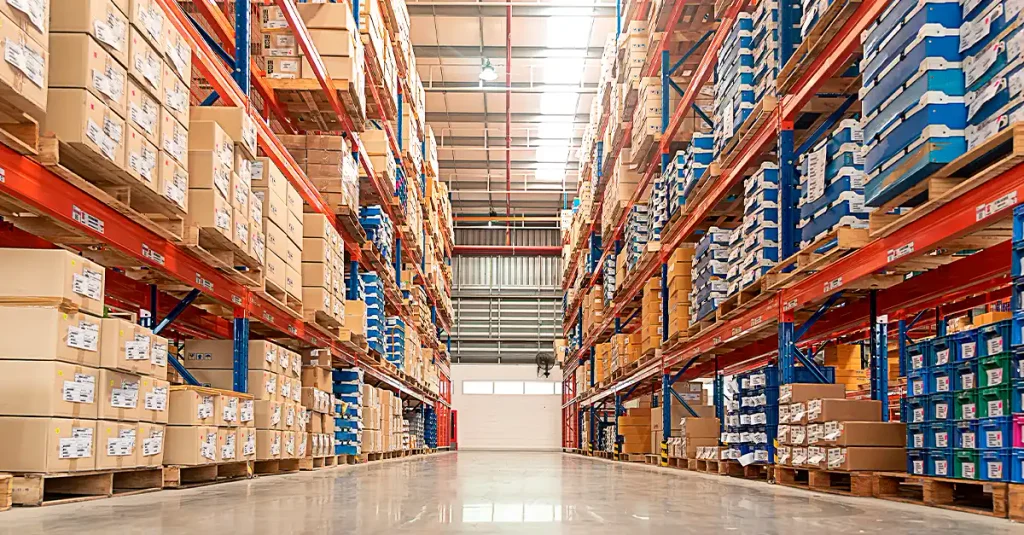
The warehouse assistant is responsible for managing the receiving, dispatch, and storage of materials within a company. It’s a central role for any business that handles physical products, whether raw materials, resale goods, or internal supplies. Among the main day-to-day activities are:
- Receiving and checking goods and materials
- Physical organization of stock, following space and category criteria
- Tracking inflow and outflow of products, usually through a computerized system
- Order picking for shipping or internal use
- Periodic inventory counts, ensuring the numbers match physical reality
This varied routine is one of the reasons the role attracts so much interest: no two days are exactly alike, and the professional has direct contact with virtually every department in the company.
Anúncios
Why Is This Position So In-Demand?
The rapid growth of e-commerce has turned warehouse management into a key piece of the logistics machine. Every company that sells products depends on well-managed inventory to make sure orders arrive correctly and on time. This has triggered a surge in demand for warehouse professionals across sectors such as manufacturing, retail chains, e-commerce, hospitals, and construction. With so many industries needing this professional at the same time, demand for good candidates tends to outpace supply — which in practice means more chances for anyone who applies with care and preparation.
Warehouse Career Path: Growth Within the Field
| Level | Position | Main Responsibilities |
|---|---|---|
| Entry | Warehouse Helper | Receiving and basic organization of materials |
| Intermediate | Warehouse Assistant | Inventory control and use of management systems |
| Advanced | Stock Supervisor | Team coordination and inventory audits |
| Senior | Logistics Coordinator | Strategic management of purchasing, stock, and distribution |
This table shows exactly why the role generates so much interest: it’s not an isolated position, but the first step in a real career path within logistics.
What Are the Basic Requirements to Apply?
Contrary to what many people assume, most warehouse positions don’t require a college degree or years of experience. The most common requirements include:
- Completed high school education (in some cases, in progress)
- Basic computer skills, since most inventory control is done through a system
- Organization and attention to detail
- Physical readiness for handling materials
- Availability, including possible shift work
Technical or logistics courses are a plus, but rarely mandatory — many companies provide on-the-job training as soon as the professional is hired, valuing willingness to learn over a specific diploma.
How Does the Daily Routine Work?
The day-to-day routine tends to follow a well-defined rhythm, but with room for the unexpected, which keeps the role dynamic and far from monotonous. Generally, the routine includes checking stock levels at the start of the shift, receiving new goods with invoice and quantity verification, organizing and storing incoming items, handling internal requests from other departments, picking materials for shipping or use, and constantly updating the inventory control system. In larger companies, the warehouse assistant may also work alongside purchasing and logistics teams, actively participating in decisions about stock replenishment — which significantly broadens the experience gained in the role.
Benefits That Usually Come with the Job
As with other operational roles, warehouse positions usually come with a benefits package that makes the offer even more attractive:
- Transportation allowance
- Meal or food allowance
- Health and dental coverage (depending on the company)
- Formal employment status, guaranteeing full labor rights
- Real potential for growth into roles such as stock supervisor or logistics coordinator
This career progression is, without a doubt, one of the biggest draws of the role: many professionals who now hold logistics management positions started out exactly like this — organizing shelves and checking invoices in the warehouse.
How to Stand Out in the Hiring Process
Since competition for these positions tends to be high, a few key habits can make all the difference when it comes to getting hired:
- Show organization right from the interview, with punctuality and documents in order
- Demonstrate genuine interest in logistics work, even without prior experience
- Highlight any familiarity with systems, spreadsheets, or data tracking
- Be clear about your availability for schedules and shifts
- Show physical readiness and attention to detail, both essential traits for the role
Recruiters in this field tend to value candidates who show logical thinking and care with information, since small inventory control mistakes can lead to significant losses for the company.
Is It Worth Investing in This Career?
Absolutely. Warehouse work is one of the few areas in the job market that combines high demand, low entry requirements, and a solid career path within logistics — a sector that’s only expected to keep growing in the coming years alongside the continued expansion of e-commerce and industrial production. For anyone looking for stability, a dynamic routine, and real chances for professional growth, this could be exactly the right opportunity.
If you’re looking to re-enter the workforce or land your first formal job, keep an eye on warehouse assistant openings in your area. Demand is high, the doors are open — and maybe the only thing missing is you applying.